
Quick Summary
Pet odor sticks around because urine soaks into carpet padding, subfloor and upholstery foam, where it keeps releasing smell long after the visible spot dries. Finding the real source, then treating it with an enzymatic cleaner, is the most effective way to remove pet odor.
- Use a UV flashlight in a dim room, since many dried urine spots glow under black light.
- Blot fresh accidents within 24 hours, pressing rather than rubbing to avoid pushing urine deeper.
- Let enzymatic cleaner stay wet for the full label contact time, typically 10 to 15 minutes for surface spots.
- Avoid bleach, vinegar and steam cleaning on urine spots before enzymatic treatment, as they can cause problems.
- Scoop the litter box at least once daily, and twice daily in multi-cat homes.
Table of Contents
- Why Pet Odor Sticks Around and How to Find Its Source
- Step-by-Step Cleanup: Fresh Accidents Versus Set-In Stains
- Pet Odor Removal From Carpet and Upholstery
- Pet Odor Eliminator Enzyme Products: How They Work and Where They Fit
- Dog Odor Eliminator Home Remedies: What Works and What to Avoid
- Pet Odor Prevention: A Routine for Litter Boxes, Bedding and Air
- Building Your Pet Odor Plan: Choosing the Right Candle, Spray or Enzyme Cleaner
- Frequently Asked Questions
Why Pet Odor Sticks Around and How to Find Its Source
Pet odor sticks around because it rarely lives on the surface. Urine soaks into carpet padding, subfloor and upholstery foam, where it keeps releasing odor long after the visible spot has dried. Finding the real source is the first step in any effective pet odor plan.
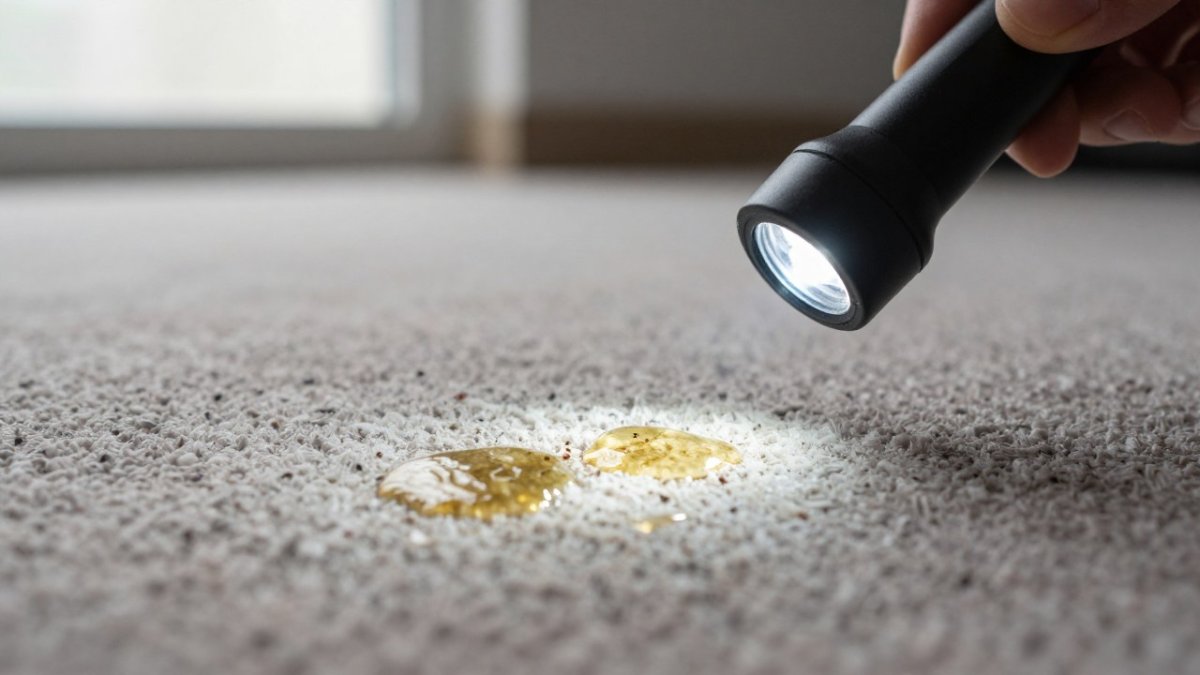
Start with a sniff test. Kneel close to the floor, then check baseboards, under furniture, and around the litter box or sleeping areas. A smell that is strongest near the floor and worst in humid weather often points to urine that has reached the padding. Use a UV flashlight in a dim room, since many dried urine spots glow under black light. This can make hidden areas visible so you can treat the actual source.
Watch out: spraying a fragrance over an unlocated source only masks the smell until humidity brings it back.
Signs a Smell Comes From Urine Rather Than Surface Dirt
Urine odor has a few recognizable traits. It is sharp and ammonia-like, it intensifies when the area is damp, and it returns after cleaning with a plain soap-and-water wipe. Surface dirt usually smells musty or sour, and it disappears once the surface is scrubbed.
If a smell comes back within a day or two of cleaning, assume urine has reached the padding or subfloor. Surface cleaners will not reach it, so you will need a targeted enzymatic treatment and possibly a deeper extraction.
Step-by-Step Cleanup: Fresh Accidents Versus Set-In Stains
Fresh and set-in accidents need different protocols. The difference is not just time; it is depth of penetration and the amount of moisture the treatment must carry into the material.
Fresh accidents (under 24 hours). Blot up as much liquid as you can with clean paper towels, pressing rather than rubbing so you do not push urine deeper into the fibers.
Set-in stains (days to weeks old). Urine that has dried has likely soaked into the padding or subfloor. Start by locating the full extent with a UV flashlight in a dim room; dried urine often glows under black light.
What not to use. Vinegar may temporarily cut the smell, but it can leave the urine compounds behind and lower the pH in a way that makes some odors more persistent.
Rinsing and drying. After the enzyme contact time, blot with a clean towel or extract with a carpet cleaner if you have one.
When to call a professional. If the stain covers a large area, has soaked into a subfloor, or returns after three treatment cycles, a professional extraction service may be needed. Padding that has been soaked repeatedly is often better replaced than treated, because the foam can hold odor even after the surface is clean.
Pet Odor Removal From Carpet and Upholstery
Carpet and upholstery trap odor differently. Carpet backing and padding hold the most urine, so treatment should go deep. Apply the enzymatic cleaner generously, working it down into the fibers, and then extract with a clean rinse if your carpet cleaner allows it. Test any cleaner on an inconspicuous spot first, since some dyes and fabric finishes react poorly.
Upholstery usually needs a lighter touch. Check the manufacturer's cleaning code, which is usually printed on a tag under the cushion. Code W means water-based cleaners are safe, S means solvent-only, and WS means either can be used. For faster results on dog smells in furniture, see How to Remove Dog Smell From Upholstery Fast.
Odor-neutralizing candles can supplement cleaning in a room that has already been treated, though they do not replace it. Before relying on one, read Do Odor Neutralizing Candles Really Work? A Review for an honest look at what they can and cannot handle.
Pet Odor Eliminator Enzyme Products: How They Work and Where They Fit
Enzymatic cleaners use enzymes and beneficial bacteria to break down the proteins and uric acid in urine. Once those compounds are broken down, the source of the smell is gone rather than hidden. This is why enzyme products are usually the first choice for urine on carpet, padding and hard flooring.
They are not a cure-all. Enzymes need moisture, time and contact with the stain to work, so a spray that dries in minutes will underperform. Many enzyme products also do poorly on very old, deeply soaked stains. For a closer look at why these products sometimes disappoint, read Why Enzymatic Cleaners Fail to Remove Odors.
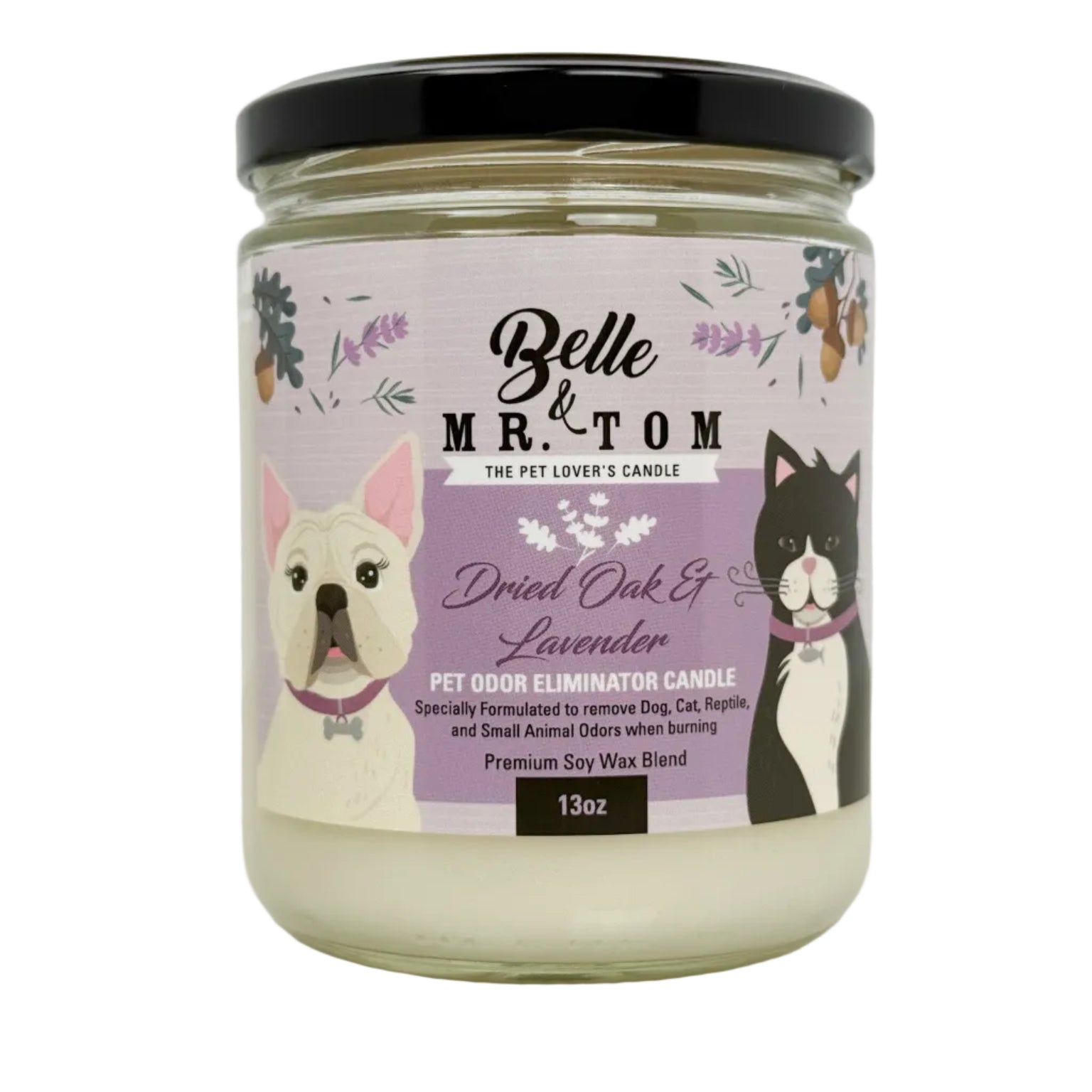
Enzyme products and a pet odor candle do different jobs. The enzyme removes the source. A scented product, such as the Dried Oak & Lavender Pet Odor Eliminator Candle from Belle & Mr. Tom, can freshen the air once the source is dealt with. Use the two together rather than expecting one to replace the other.
Dog Odor Eliminator Home Remedies: What Works and What to Avoid
Home remedies can help with light, surface-level smells, but they vary widely in results. Baking soda absorbs some odor when sprinkled on carpet, left for several hours, then vacuumed. Diluted white vinegar can help on hard floors. Both work better as deodorizers for general dog smell than as treatments for urine.
Avoid mixing cleaning products. Combining bleach with ammonia-based or urine-containing residue can release dangerous gases. Also avoid harsh chemicals on bedding your pet sleeps on. A simple rule is to choose the mildest product that solves the problem, test first, and keep pets away from freshly treated areas until they are dry.
Pet Odor Prevention: A Routine for Litter Boxes, Bedding and Air
Prevention is easier than removal, but it works best as a measurable routine rather than a vague habit.
Litter box routine. Scoop at least once daily, and twice daily in multi-cat households. Replace clumping litter every two to four weeks, or sooner if the box smells after scooping.
Bedding and fabric routine. Wash pet bedding every one to two weeks in hot water with an unscented detergent, and dry it fully before putting it back. Vacuum carpets and upholstery at least weekly, and more often in homes with heavy-shedding pets. Brush pets regularly to remove loose hair and oils before they transfer to fabrics.
Air and humidity. Open windows when weather allows, run ventilation in pet areas, and keep indoor humidity moderate, since damp conditions make urine odor more noticeable.
Tracking recurring odors. Keep a simple log of when and where odors appear.
When odor signals a health issue. Sudden or unusual odors can point to a medical problem rather than a cleaning problem.
Measurable results. A prevention plan is working if you can go a week without noticing a recurring odor in treated areas, if the litter box does not smell after scooping, and if bedding smells fresh after washing.
AVMA pet odor and health guidance
Building Your Pet Odor Plan: Choosing the Right Candle, Spray or Enzyme Cleaner
A solid pet odor plan combines three tools. Use an enzymatic cleaner to remove the source of urine and other organic odors. Use a surface cleaner for routine wipe-downs. Then a scented product can help keep the home feeling fresh between cleanings.
For most households, the enzymatic cleaner comes first, because it addresses the cause. Scented products come next, and they work best in a room that is already clean. A candle can provide ambient freshness in living areas, and a spray can serve for quick spot touch-ups between treatments. Choose products based on the problem you are solving, and treat scent as the final step rather than the solution.
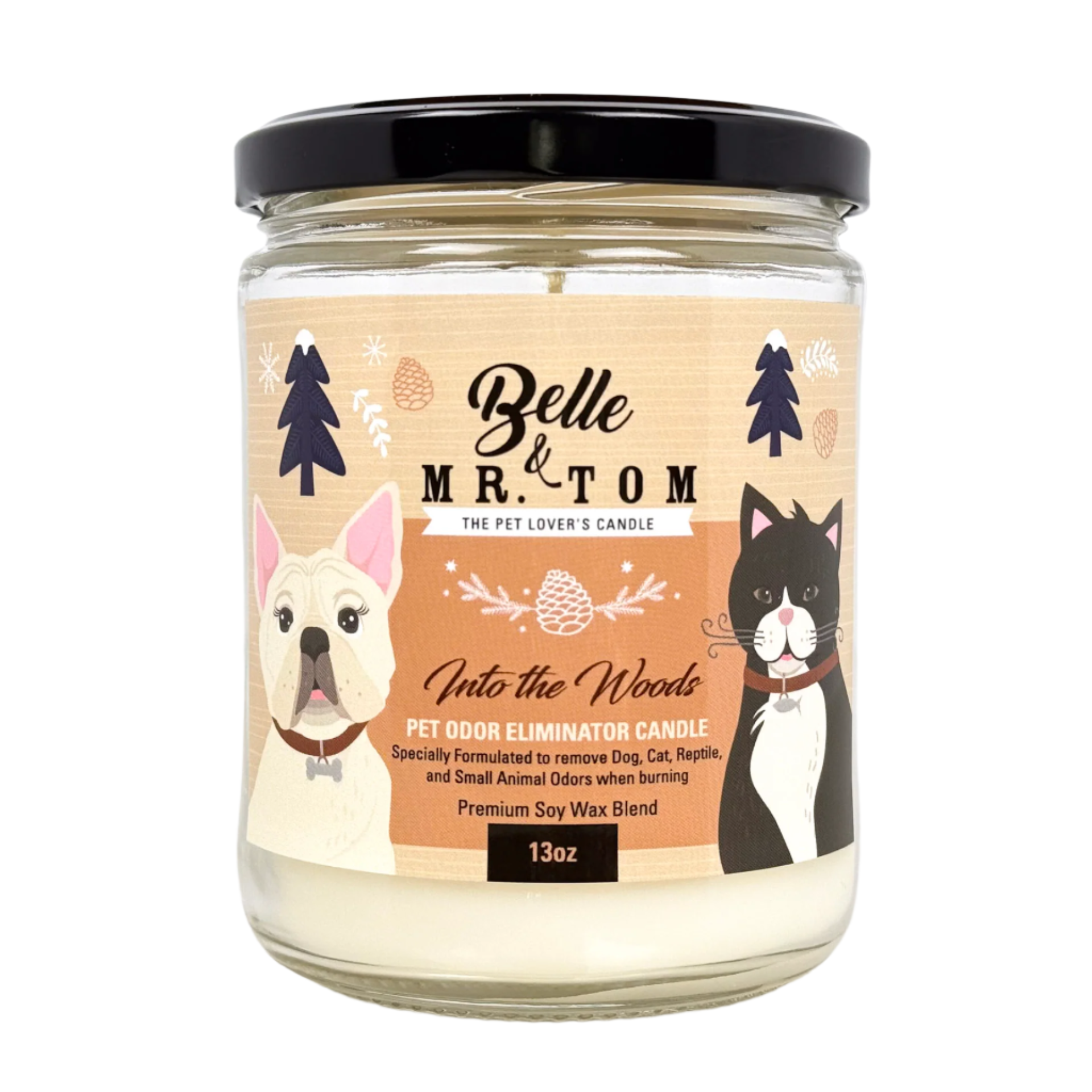
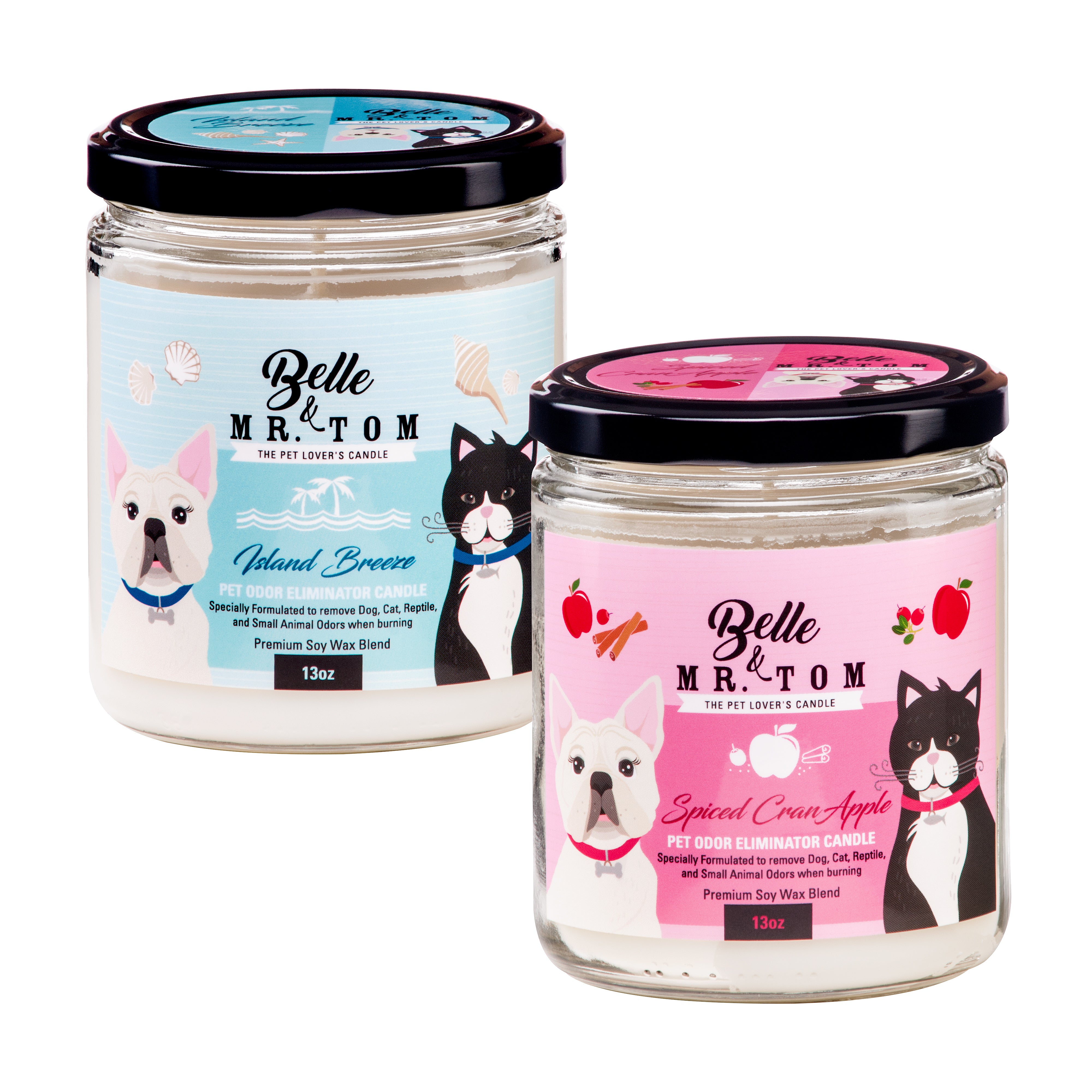
If you have multiple pets, a bundled set may cover more rooms. The 2 Pack Pet Odor Eliminator Candles at $52.18 let you place one in a main living area and one in a bedroom. For a single-room refresh, the Into the Woods Pet Odor Eliminator Candle at $28.99 is a simple starting point.
| Problem | Best First Step | Follow-Up |
|---|---|---|
| Fresh urine on carpet | Blot, flush, enzymatic cleaner | Check with UV light |
| Set-in stain | Repeated enzyme treatment, moist cover | Repeat until no fluorescence |
| Dog smell in upholstery | Check cleaning code, dab with pet-safe cleaner | Brush, vacuum, air dry |
| General room freshness | Clean surfaces, ventilate | Scented candle or spray |
Frequently Asked Questions
How do I get rid of pet odor in my house?
Start by finding every spot the smell comes from, including carpet, pads, baseboards, bedding and under furniture. Blacklight flashlights reveal old urine stains that a nose can miss. Clean each spot with an enzyme-based cleaner that breaks down the urine compounds rather than covering them, let it air dry fully, and repeat if the smell returns. Ventilate the room and wash fabric items on the hottest setting the label allows. Once the source is gone, a candle or room spray can keep the air fresh day to day.
Do pet odor eliminator enzyme cleaners actually work?
Enzyme cleaners work by using enzymes to break down the proteins and uric acid in urine, which is what causes the lingering smell. They are most effective on fresh or moderately set accidents and need enough time to work, so keep the surface damp for the manufacturer's recommended period. They do not work well on surfaces that have not been fully cleaned of residue, and they cannot repair subfloor damage. Test a hidden area first to check colorfastness on fabrics and finishes.
How can I remove pet odor from carpet and furniture?
Blot up as much liquid as possible with clean towels, then apply an enzyme cleaner and let it sit according to the label. Blot again, rinse lightly if the product calls for it, and dry thoroughly with fans or a dehumidifier to prevent mildew. For upholstery, check the cleaning code on the tag before using liquids. Deep stains under cushions or in carpet padding may need the padding replaced, since urine can soak through to the pad and keep producing odor.
Do pet odor eliminator sprays and candles actually work?
Candles and sprays can freshen a room, but they mainly mask odor unless they contain active odor-neutralizing ingredients, and they do not clean the urine or bacteria causing the smell. Belle & Mr. Tom's Into the Woods Pet Odor Eliminator Candle, priced at $28.99 for a 13oz soy blend candle, is designed to neutralize pet odors in the room while burning. For best results, pair it with cleaning the source of any accident and with regular litter and bedding care.
How often should I clean a cat's litter box to control odor?
Scoop solid waste and clumps at least once a day, and more often in multi-cat homes. Replace the litter completely every one to two weeks for clumping litter and wash the box with mild soap and water during each full change. A litter box that is scooped daily, placed in a ventilated area and kept away from food and water bowls will produce far less odor than one left to build up.
What is the best way to remove pet urine odor?
The most reliable method is an enzyme cleaner applied directly to the urine spot, left to work for the full recommended time, then blotted and fully dried. Avoid ammonia-based cleaners, since their smell can resemble urine and may encourage pets to return to the same spot. Vinegar and baking soda can help as a light pre-treatment on some surfaces, but they rarely remove a set-in urine odor on their own.
Is pet odor prevention worth the effort for a home with multiple pets?
Yes. With several dogs or cats, odor builds faster because more waste, bedding and fur are produced. A prevention routine that includes daily litter care, weekly bedding washes, regular vacuuming with a HEPA-filter vacuum, and good airflow keeps baseline odor low so accidents are easier to clean when they happen. Multi-pet homes also benefit from a subscription of freshness products so supplies never run out.
